
Shop


Gifts


Blog Posts
Stay updated with expert insights, helpful tips, and inspiring stories in our blog.
June 05, 2026
The Difference Between Engraved vs Etched Glassware
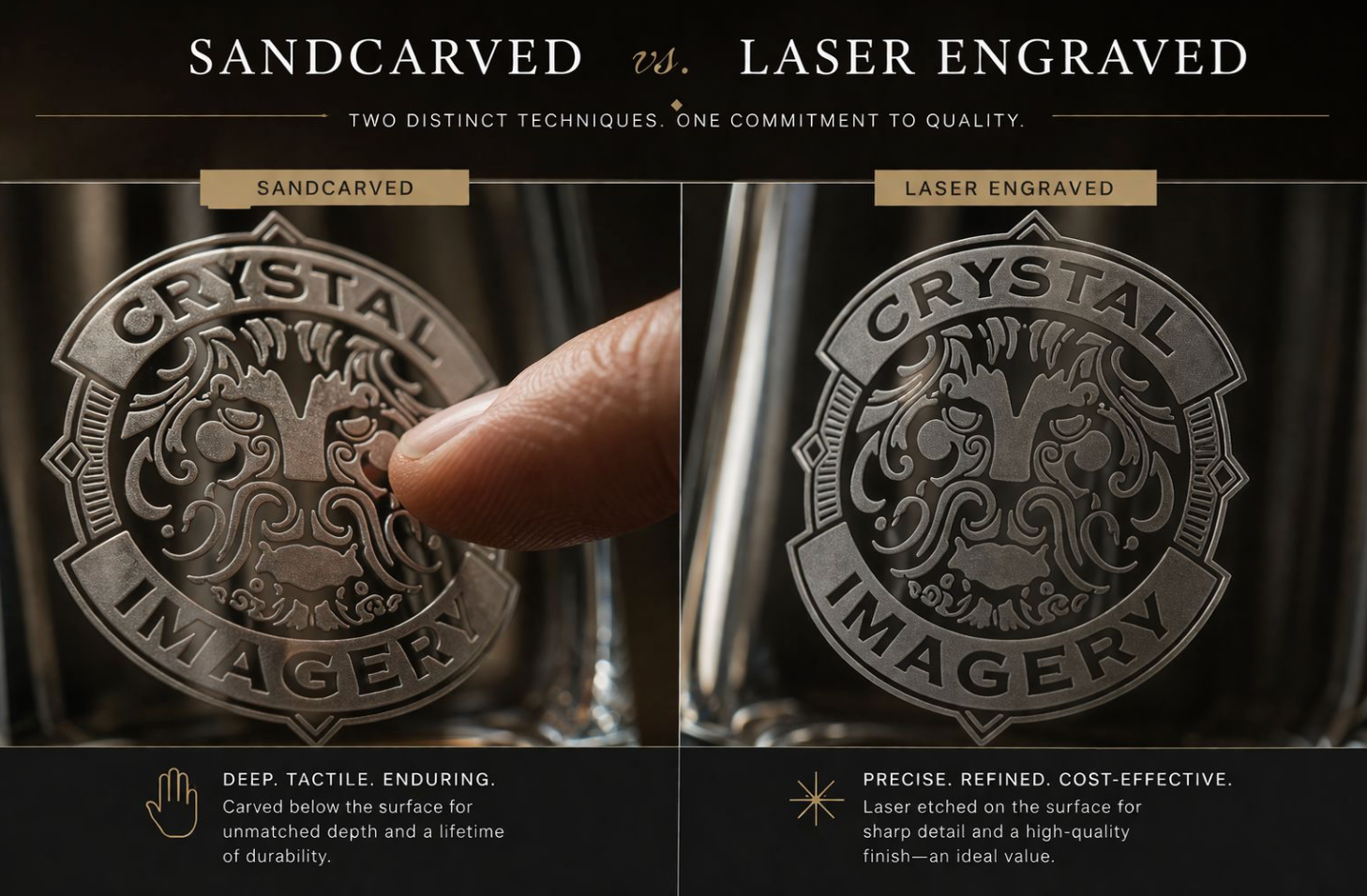

At first glance, engraved and etched glassware can look similar. But not all “etched” glassware is created the same, and the process behind the design dramatically affects how the final piece looks and feels.
The biggest difference comes down to depth. Traditional surface etching creates a lighter, frosted appearance on the glass, while deep engraving removes more material to create texture and dimension you can physically feel.
What Is Traditional Etched Glassware?
Etched glassware typically uses:
-
acid cream
-
laser etching
-
light abrasive blasting
These methods create a surface-level design with a softer, frosted appearance.
This style works well for:
-
minimalist logos
-
subtle personalization
-
lighter decorative detail
According to Corning Museum of Glass, acid etching became widely used because it allowed decorative frosted designs to be produced consistently on glass surfaces.
What Makes Deep Engraving Different?
Deep engraving removes more of the glass surface, creating noticeable depth and texture instead of a flat surface mark.
That added dimension changes:
-
how the design reflects light
-
how detailed the artwork appears
-
how the glass feels in your hand
This is why deeply engraved pieces often feel more substantial and custom compared to lighter surface etching.
Not All “Etching” Is Equal
One of the biggest misconceptions is that all etched or engraved glassware is made the same way.
Many modern products use laser etching because it’s fast and inexpensive. The result is usually a lighter, flatter mark that sits near the surface of the glass.
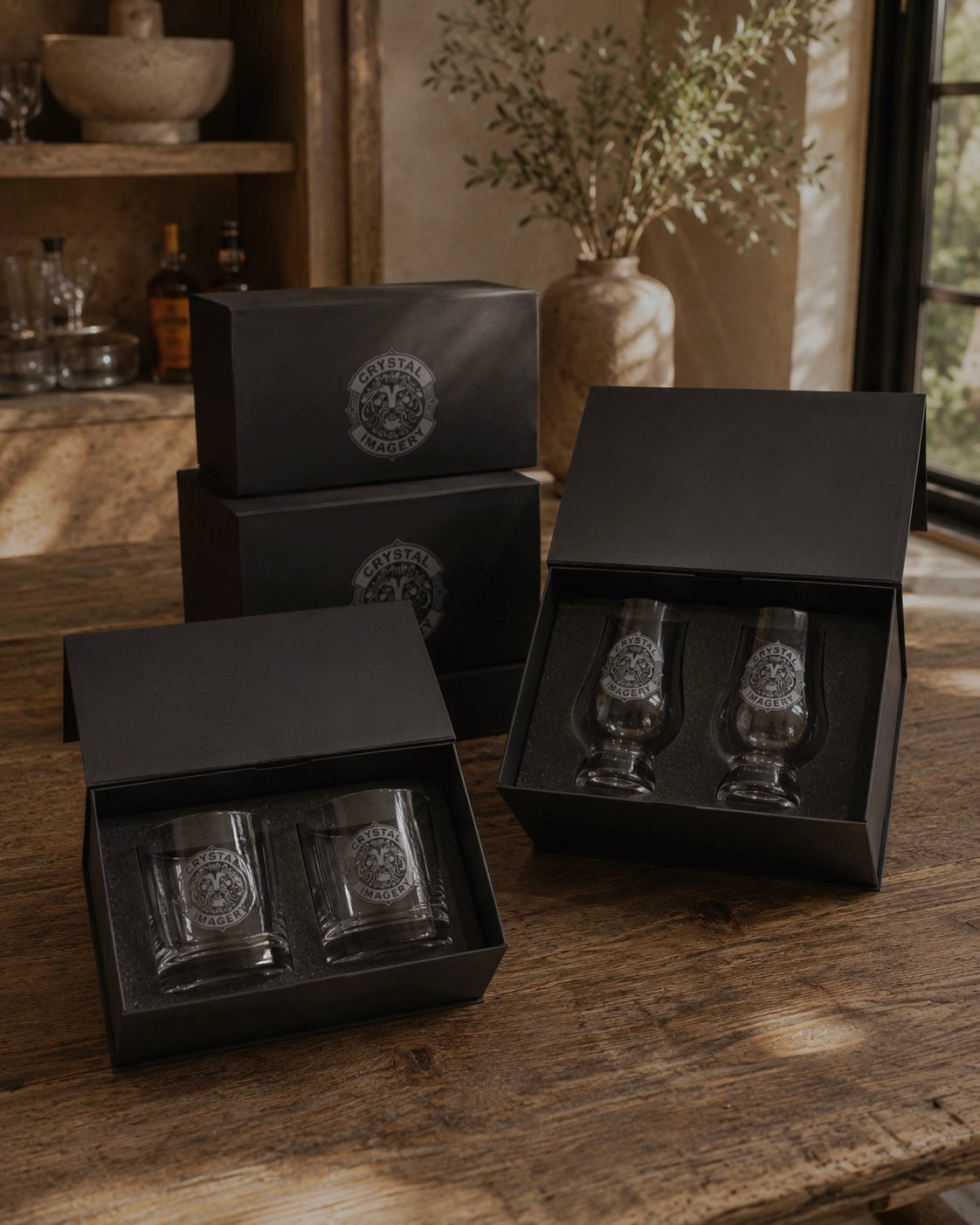
Crystal Imagery uses a deep sand-carving process that cuts significantly deeper into the glass, creating a more dimensional finish that can be both seen and felt.
This difference becomes especially noticeable under light, where deeper carving creates more contrast and texture.
Which One Should You Choose?
It depends on the look and feel you want.
Choose lighter etching if you prefer:
-
subtle designs
-
minimal texture
-
understated personalization
Choose deep engraving if you want:
-
visible dimension
-
stronger texture
-
a more elevated presentation
For entertaining, gifting, and branded merchandise, deeper engraving often creates a more premium feel because the design becomes part of the glass itself, not just a surface decoration.
Final Thought
The difference between etched and engraved glassware goes beyond appearance.
Surface etching creates a softer, frosted look. Deep engraving creates texture, dimension, and contrast you can physically feel. Understanding that distinction helps you choose glassware that better matches the experience you want to create.
About Crystal Imagery
Crystal Imagery creates deeply engraved glassware using a sand-carving technique that cuts designs directly into the surface of the glass. Their wine glasses, barware, and entertaining pieces are designed to bring more craftsmanship, depth, and texture to everyday use.
 September 25, 2026
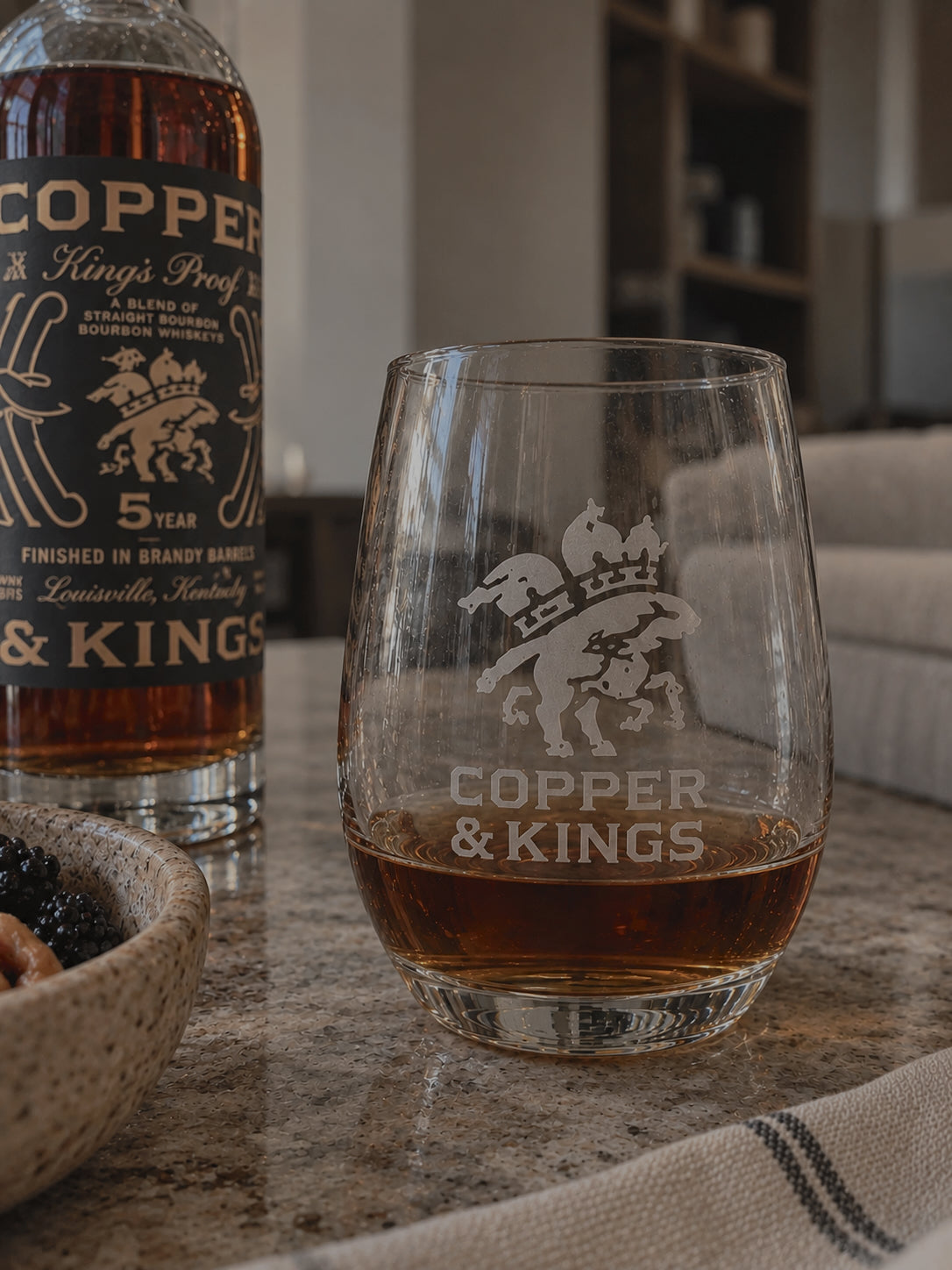
What Makes Something Feel Like a Keepsake Instead of a Giveaway?
We’ve all left an event with something branded that went straight into a drawer - or, realistically, never made it out of the tote bag.
Continue reading
But every once in a while, you get something you actually want to keep.
">We’ve all left an event with something branded that went straight into a drawer - or, realistically, never made it out of the tote bag.
But every once in a while, you get something you actually want to keep.
 September 18, 2026
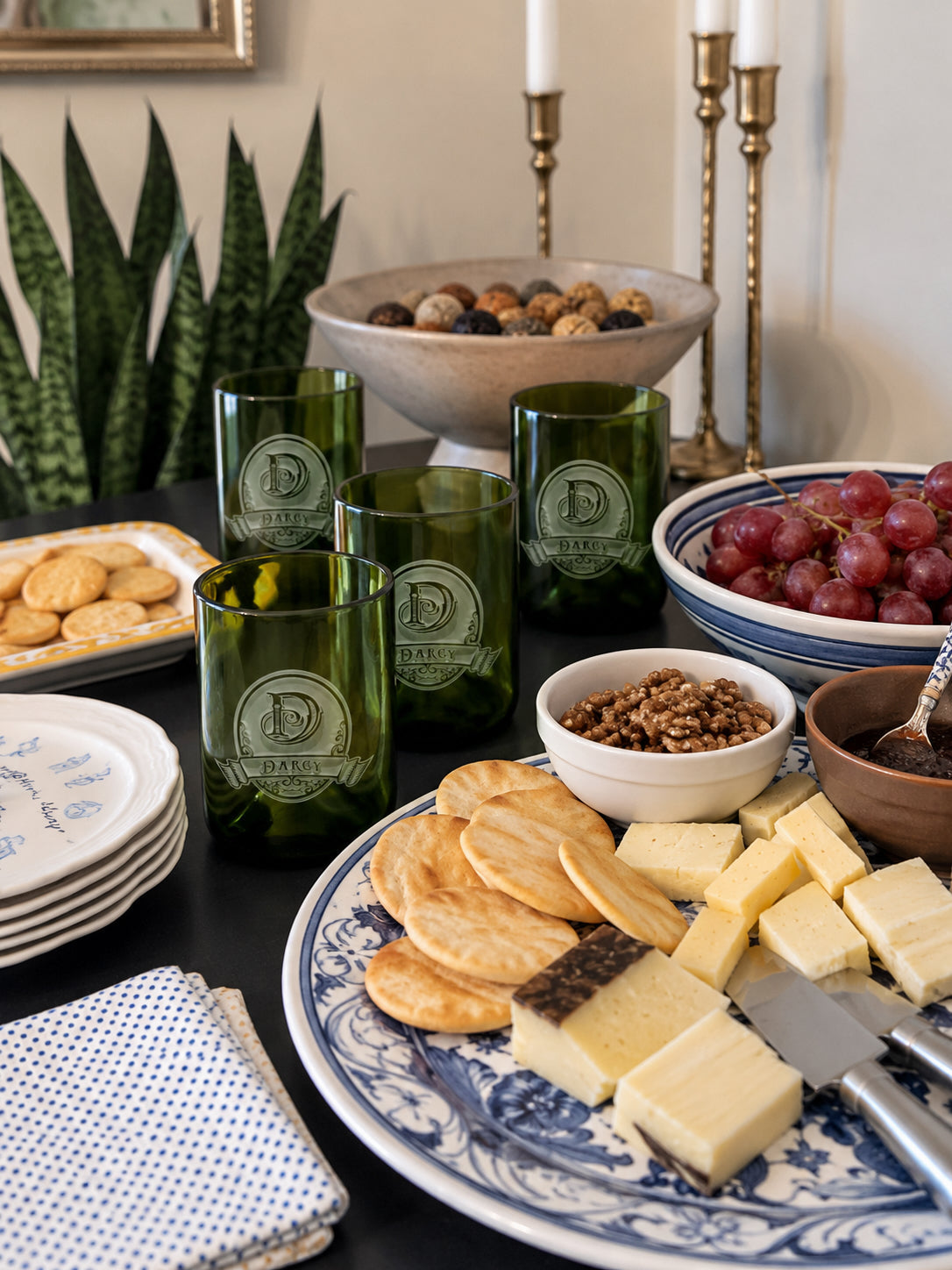
Beyond the Basics: 3 Types of Glassware You Didn’t Know You Needed
Continue reading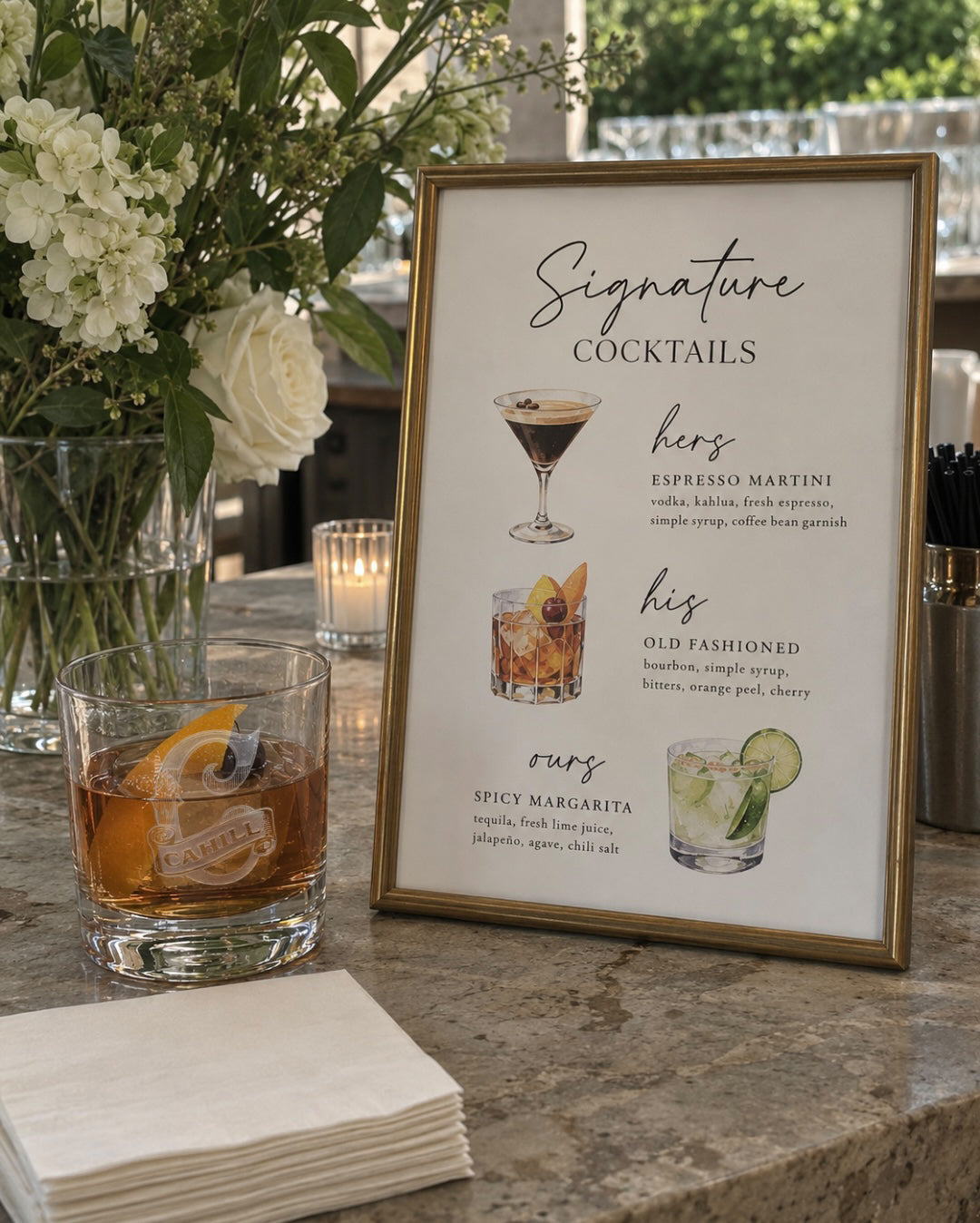

 September 05, 2026
Why Custom Drinkware Outlasts Traditional Branded Merchandise
There’s a lot of branded merchandise people accept because it’s free… and then there are the pieces they actually use.