Shop


Gifts


Blog Posts
Stay updated with expert insights, helpful tips, and inspiring stories in our blog.
April 27, 2026
How to Age Whiskey at Home
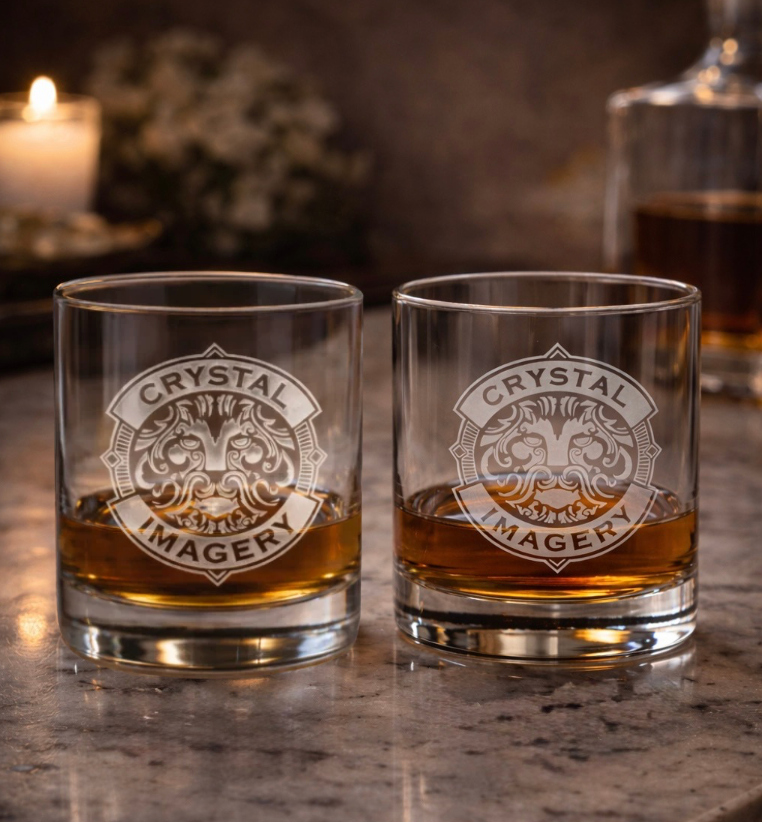

You can age whiskey at home…but it’s less about time and more about control.
Unlike distilleries that age whiskey for years in large barrels, home aging uses smaller surfaces (like oak staves or chips) to influence flavor more quickly. The result isn’t identical to traditional aging, but it can meaningfully change how a whiskey tastes.
What Aging Actually Does
Whiskey gets most of its character from the barrel.
As it sits in oak, it pulls out compounds like:
-
vanillin (vanilla notes)
-
tannins (structure and dryness)
-
caramelized sugars (sweetness and color)
At the same time, oxygen slowly interacts with the liquid, softening harsh edges.
Liquor Loot explains that both wood interaction and oxidation are key to developing flavor over time.
Ways to Age Whiskey at Home
There are two common approaches.
1. Small Oak Barrels
Mini barrels (1–5 liters) mimic traditional aging, just faster.
-
More wood contact = faster flavor extraction
-
Results can develop in weeks instead of years
The downside: it’s easy to over-oak the whiskey if left too long.
2. Oak Staves or Chips
A simpler and more controlled method.
-
Add oak pieces directly into the bottle
-
Taste periodically to monitor progress
-
Remove once the flavor feels balanced
This method gives you more flexibility and less risk of overdoing it.
How Long Does It Take?
Home aging moves quickly.
-
oak chips: a few days to a few weeks
-
small barrels: a few weeks to a few months
Because of the increased surface area, extraction happens much faster than in full-size barrels.
According to Smokey Valley Distillery, smaller barrels accelerate aging but don’t perfectly replicate long-term maturation
What to Watch For
The biggest mistake with home aging is going too far.
Signs to stop:
-
overly woody or bitter taste
-
dryness overpowering the original spirit
-
loss of balance
Tasting regularly is key. Once the flavor feels right, stop the process.
Is It Worth It?
Home aging isn’t about replacing professionally aged whiskey.
It’s about:
-
experimenting with flavor
-
customizing a bottle to your preference
-
understanding how aging works
Even small adjustments can make a noticeable difference.
Final Thought
Aging whiskey at home is less about patience and more about attention.
With the right approach, you can add depth and character in a relatively short time—just by controlling how the whiskey interacts with wood.
About Crystal Imagery
Crystal Imagery creates deeply engraved glassware using a sand-carving technique that cuts designs directly into the surface. Their whiskey glasses and barware are designed to elevate how spirits are enjoyed—whether you’re experimenting at home or simply pouring a well-earned drink.
 October 04, 2026
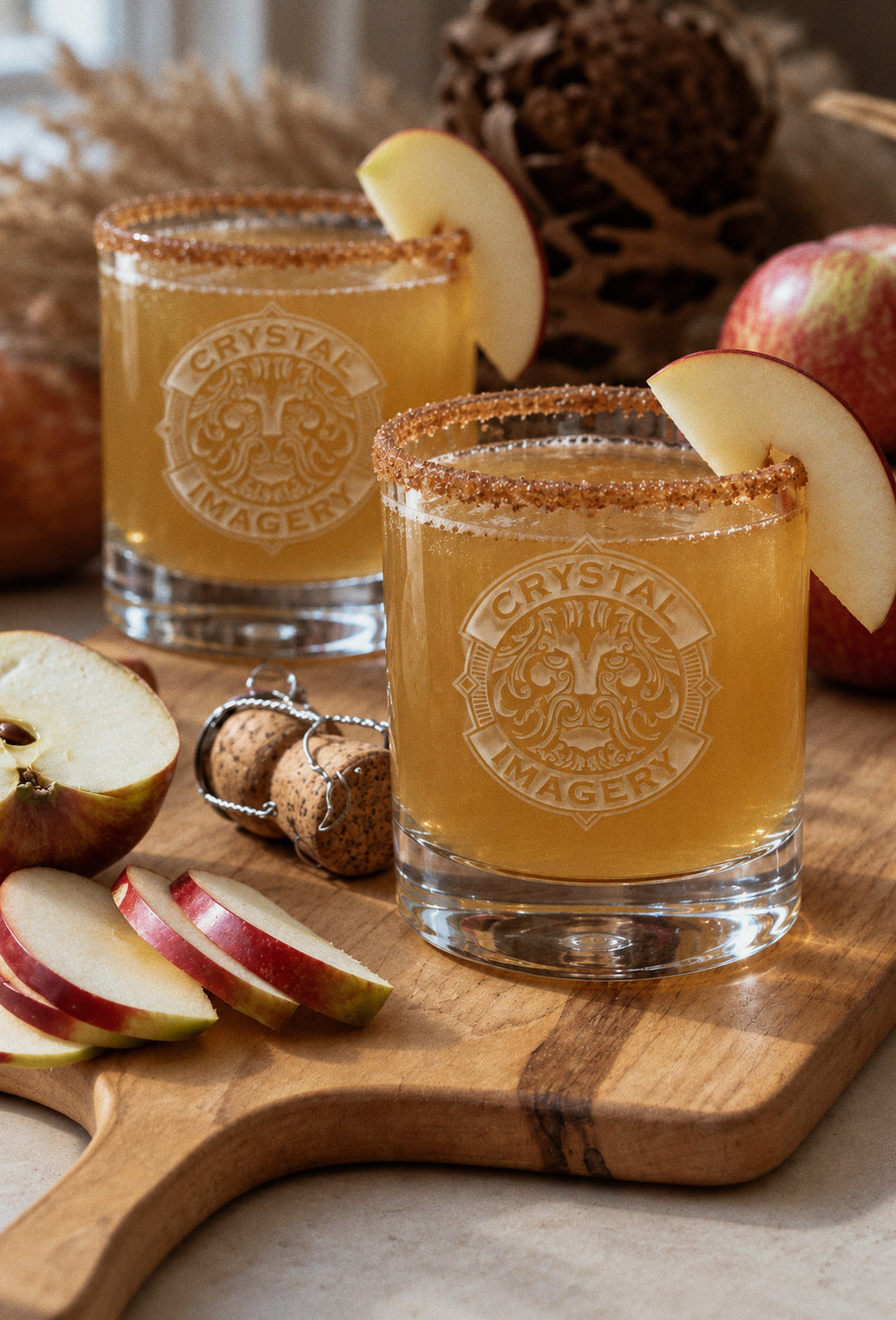
What We’re Pouring: Apple Cider Bourbon Sour
Our Apple Cider Bourbon Sour has everything I want in a seasonal cocktail: bourbon, fresh apple cider, a little maple and enough lemon to keep it from getting too sweet.
 September 25, 2026
What Makes Something Feel Like a Keepsake Instead of a Giveaway?
We’ve all left an event with something branded that went straight into a drawer - or, realistically, never made it out of the tote bag.
Continue reading
But every once in a while, you get something you actually want to keep.
">We’ve all left an event with something branded that went straight into a drawer - or, realistically, never made it out of the tote bag.
But every once in a while, you get something you actually want to keep.